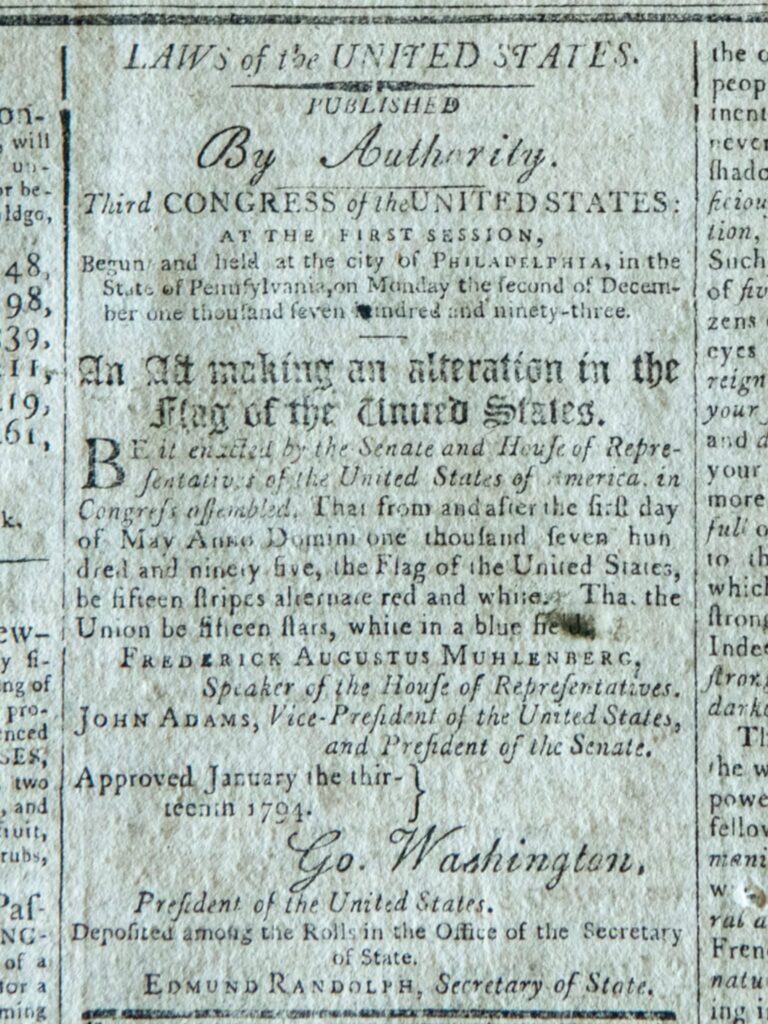
January 13 - the Flag Act is signed by George Washington. it changes the flag to 15 stars and 15 stripes after the new states of Vermont and Kentucky join the Union. Newspaper aritcle from the Columbian Centinel (Boston) February 5, 1794.
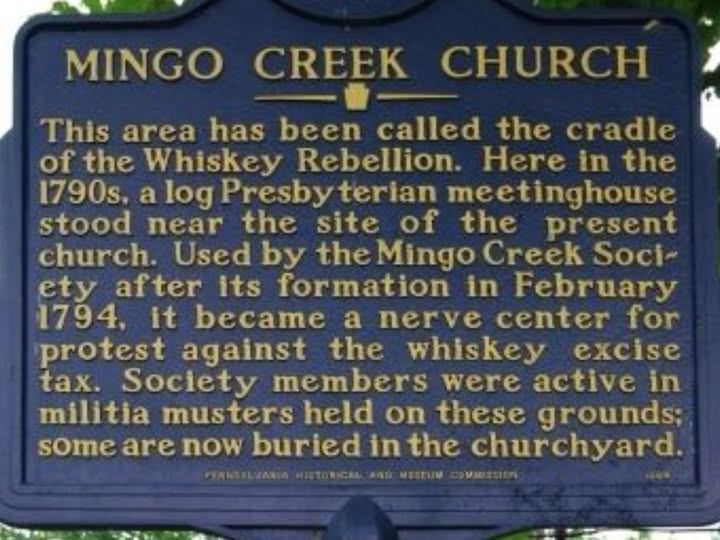
February 28 - The Mingo Creek Society is formed. Members meet under the limbs of a huge oak tree that stands on the Mingo Creek church grounds in Washington County, Pennsylvania.The group protests the government, organizes local militia, and holds extra-legal courts, inflamming tensions in the region.
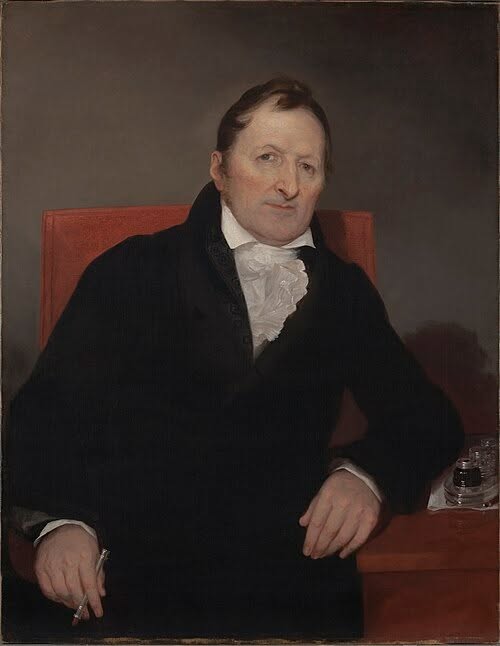
March 14 - Eli Whitney is granted a patent for his invention of the cotton gin.
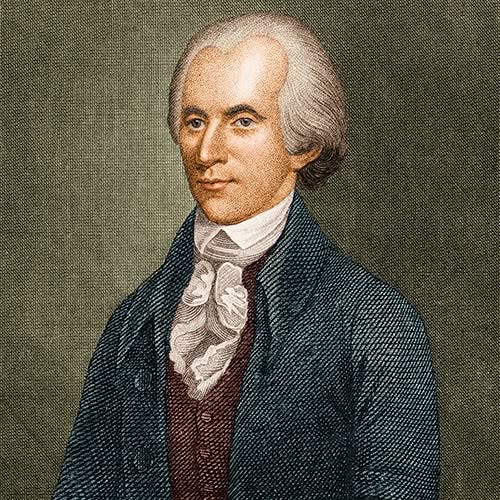
June 19 - Richard Henry Lee dies (b. January 20, 1732). Known for the Lee Resolution in the Second Continental Congress, which called for Independence from Great Britian, which he signed. Virginia senator from 1789-1792.
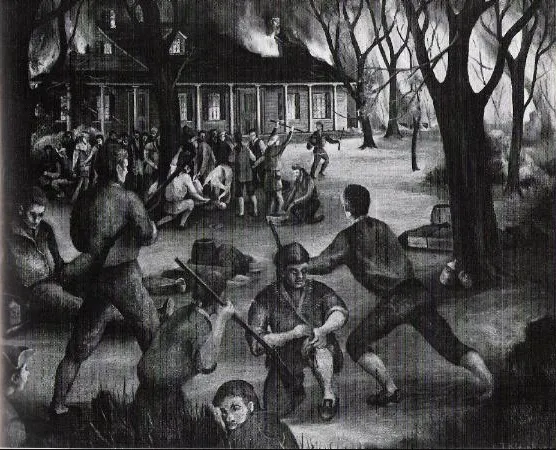
July 17 - The Battle of Bower Hill. Rebel forces under the command of James McFarlane, a veteran of the Revolutionary War, attack the home of John Neville who was sheltering David Lenox, the federal tax collector. McFarlane would perish in the fight before the rebels torched Neville's home to the ground. Lenox was taken priosoner but would later escape.
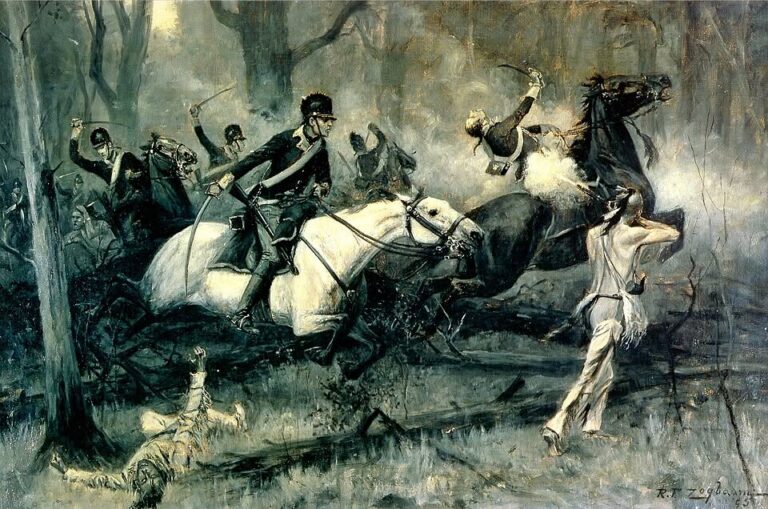
August 20 - The Battle of Fallen Timbers. General Anthony Wayne defeats the Shawnee under Blue Jacket and the Ottawas under Egushawa in the last battle of the Northwest Indian War near the Maumee River in northwestern Ohio. The victory clears the way for settlement of most of modern day Ohio.
September 15 - Abraham Clark dies (b. February 15, 1726). Clark was a delegate for New Jersey in the Continental Congress and signer of the Declaration of Independence. He would later serve as a congressman in the House of Representatives.
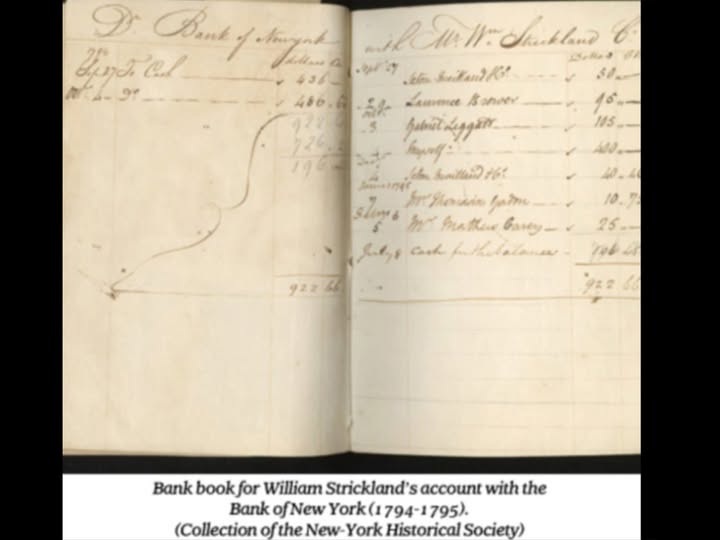
September 20 - William Strickland lands in New York off the Fair American. One week later on September 27 he sets up an account with the Bank of New York. His diary entry upon arriving in New York reads "We are once more about to step on land, to enter into a new world, with ten thousand objects of investigation before us, with innumerable new scenes to employ the mind and occupy the attention."
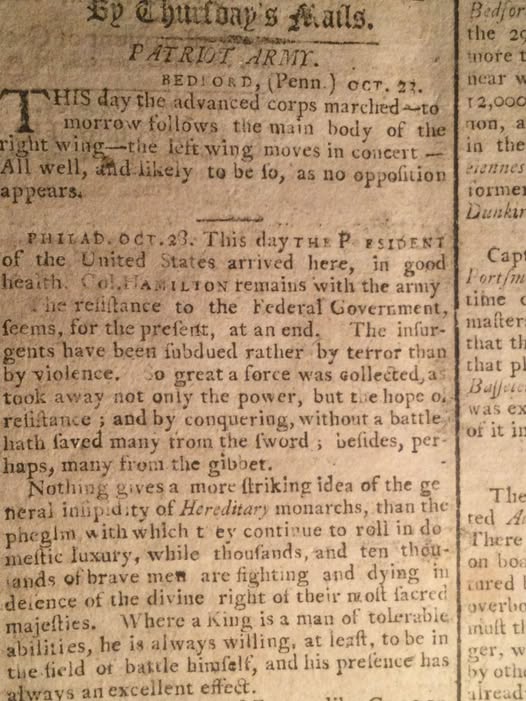
October 19 - Militias from New Jersey, Pennsylvania, and Maryland are raised totaling almost 13,000 to suppress the Whiskey Rebellion. At Bedford, Pennsylvania Washington turns the army over to Alexander Hamilton and Henry Lee and returns to Philadelphia. Newspaper article from the Columbia Centinel (Boston) November 8, 1794.
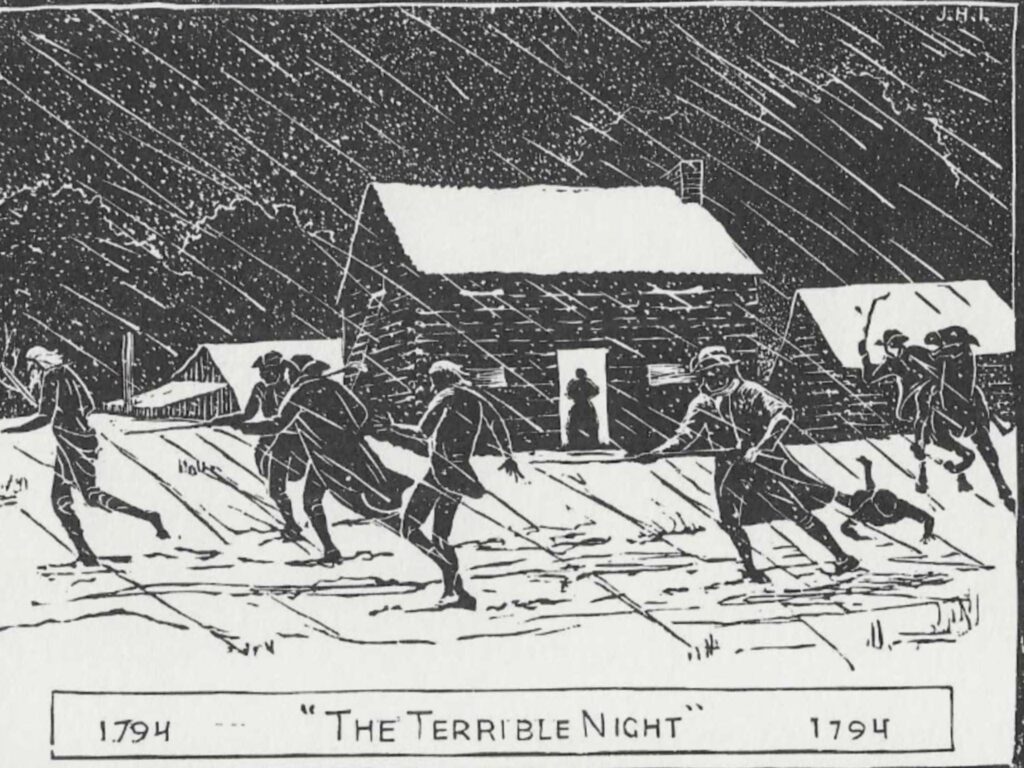
November 13 - In what comes to be known as "The Dreadful Night" soldiers under the command of Alexander Hamilton arrest about 150 persons under dire conditions while attempting to suppress the Whiskey Rebellion.Twenty of the prisoners are marched to Philadelphia to stand trial. In the end two people, Philip Wigle and John Mitchell, are tried and convicted of treason. They are both pardoned by Washington on November 2, 1795 in what is the first use of the Presidential pardon power in American history.
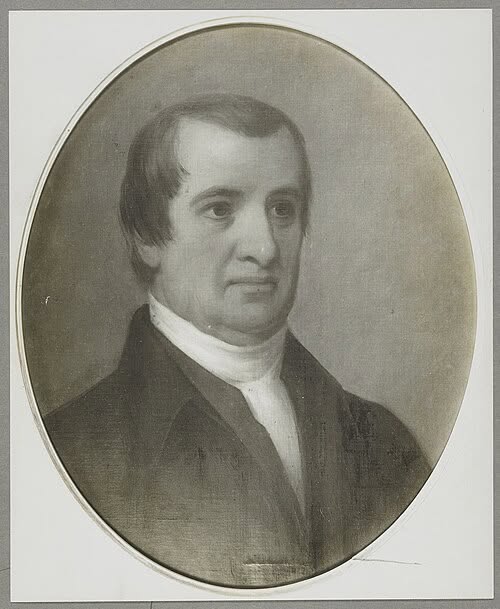
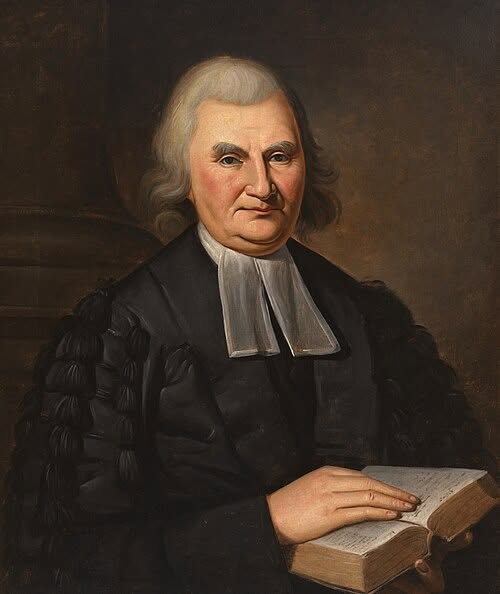
Novermber 15 - John Witherspoon dies (b. February 5, 1723). Witherspoon was a delegate from New Jersey to the Second Continental Congress and a signer of the Declaration of Independence. He was the only active clergyman and only college president to sign the declaration.
Novermber 19 - The United States and Great Britain sign the Jay Treaty. The treaty clears up some issues left outstanding since the end of the Revolutionary War. Britain agrees to evacuate forts in the Northwest Territory.
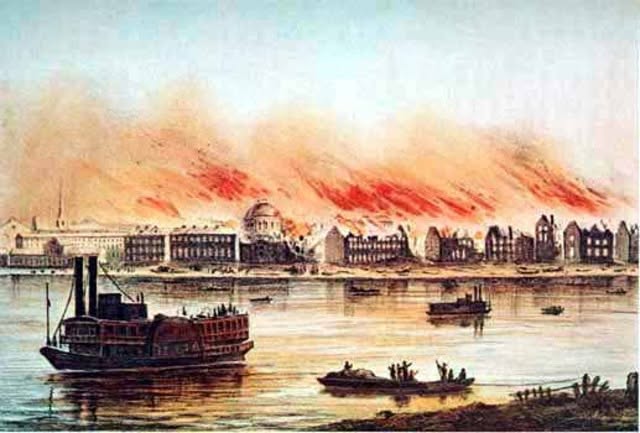
December 8 - The Great Fire of New Orleans burns more than 200 structures in the city, at the time a Spanish possession. The United States would gain New Orleans, along with the entire Louisiana Territory with the Louisiana Purchase in 1803.
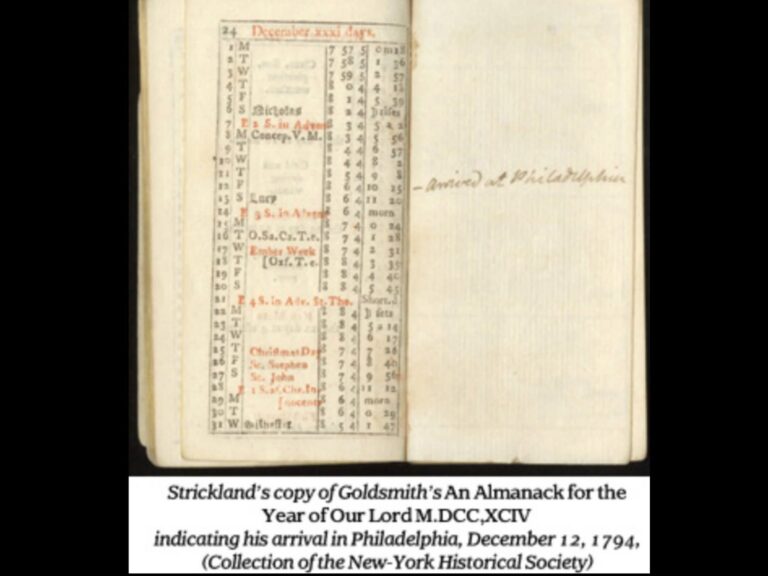
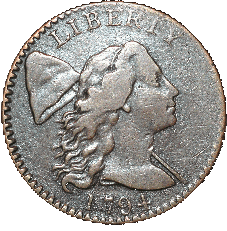
December 12 - William Strickland arrives in Philadelphia. Just after his arrival the mint would start to produce the final varieties of 1794 cents, the so-called Head of 95 varieties. Strickland would stay in the new nation's capital until spring.
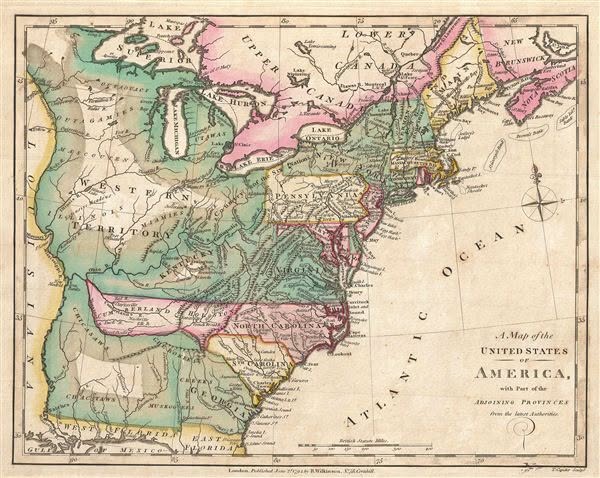
Map of the United States published in 1794 by Robert Wilkinson, a London based map and atlas publisher.